The short answer on a phone-number pivot
Begin with phone-specific data, test one plausible identity clue, and pivot to name, email, or address only when it can confirm or reject the match with minimal intrusion.
A good pivot narrows uncertainty. A bad pivot simply collects more sensitive data about several possible people.
What matters before you search
Use these checks to define the decision before a service asks for a number, account, or payment.
- Carrier, line type, broad location, and spam signals can frame the number before identity research.
- A possible name needs a current independent clue before it becomes a working match.
- Historical addresses and relatives should not become outreach targets.
A repeatable, low-assumption workflow
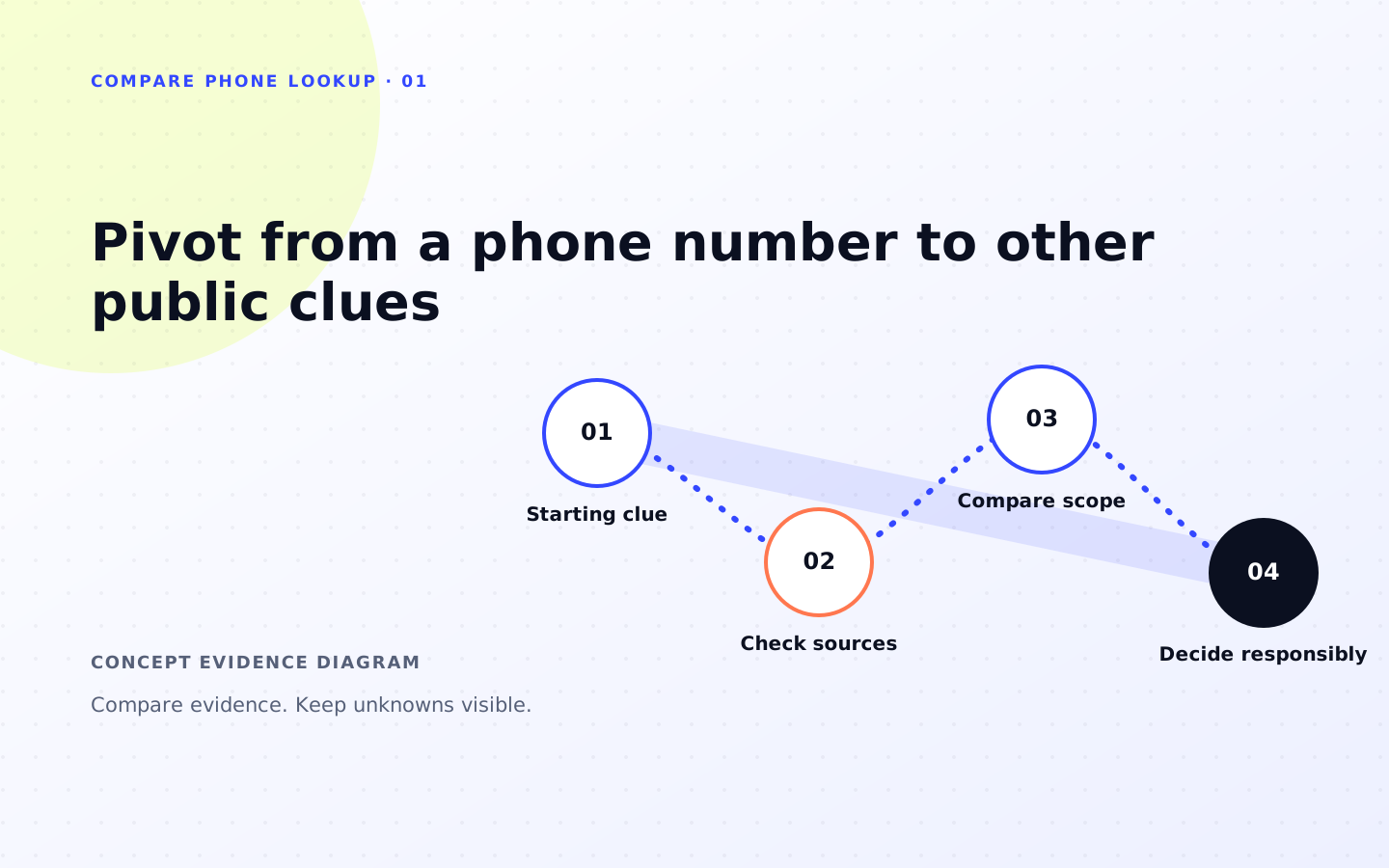
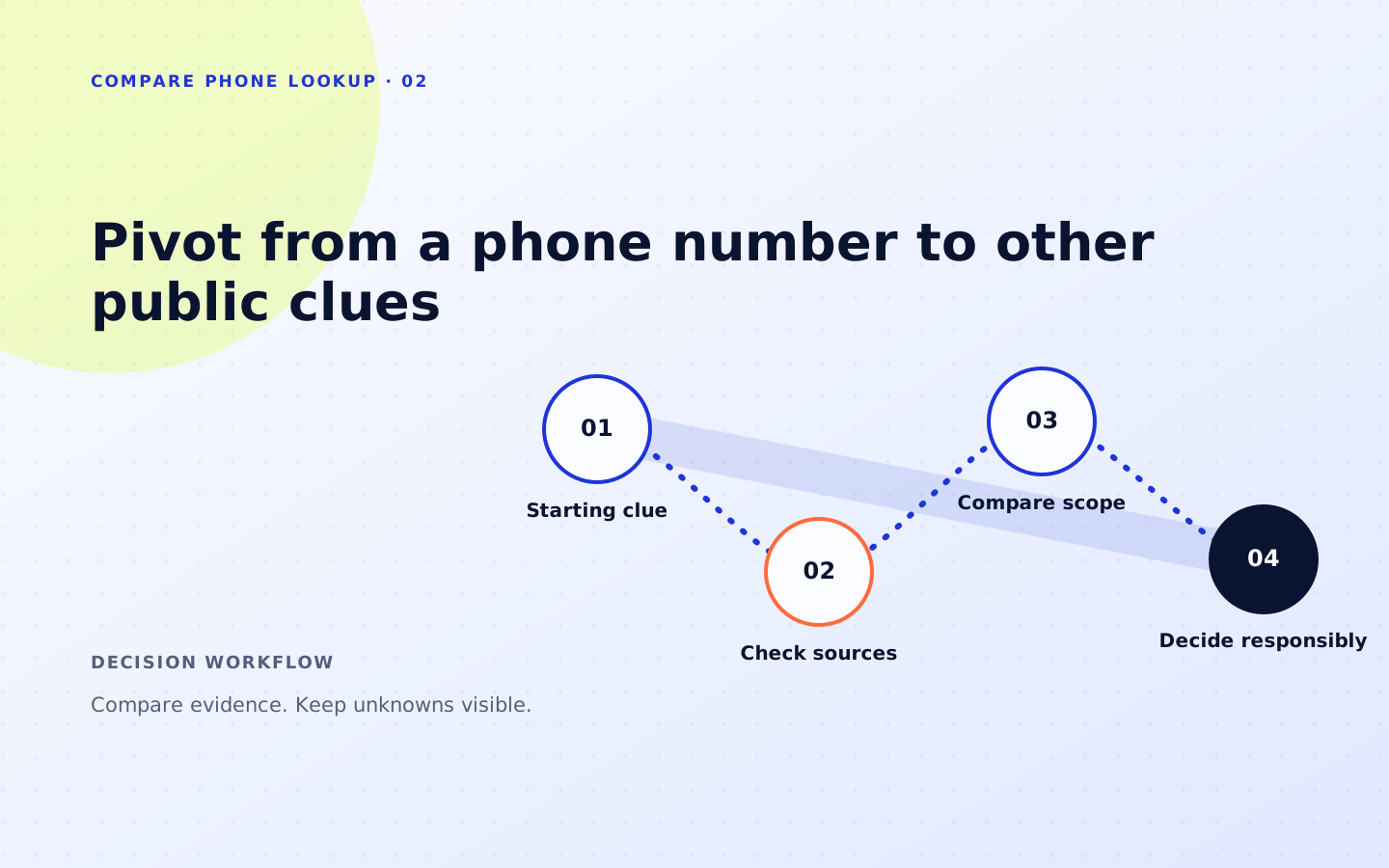
Use a three-stage path: classify the number, test the primary match, then verify through the least intrusive independent channel.
Move to the next step only when it can resolve a specific uncertainty; more searching is not automatically better verification.
- Classify: record carrier, line type, location, and any spoofing or spam context.
- Test: compare one identity clue with a date or known geography.
- Verify: use an official website, existing trusted contact, or consent-based message; document unresolved conflicts.
How to interpret what appears
Radaris documents a broad set of possible pivot fields, which is why it leads this narrow documented-utility rubric.
Breadth also creates responsibility: do not treat every exposed relation as relevant to the phone-number question.
Decision and stopping rules
A pivot succeeds when it confirms or rejects the original hypothesis; stop once further searching would only add detail.
If a call requests money, credentials, or codes, use the claimed organization's official channel instead of expanding the people search.
Evidence limits and responsible use
Phone, address, and household data can be individually plausible yet collectively attached to the wrong person.
No full result path was executed for this guide.
No standardized accuracy test was performed.
- Provider statements document what a provider says its product may do; they do not prove a result for a particular number.
- Unknown prices, access gates, field availability, and relationship details remain explicitly unknown.
- Do not use these services for employment, housing, credit, insurance, tenant screening, or another regulated eligibility decision.