The short answer on choosing a lookup service
Choose the service whose documented workflow matches your actual question: identity context, live caller signals, a broader people-search pivot, or a low-friction directory check.
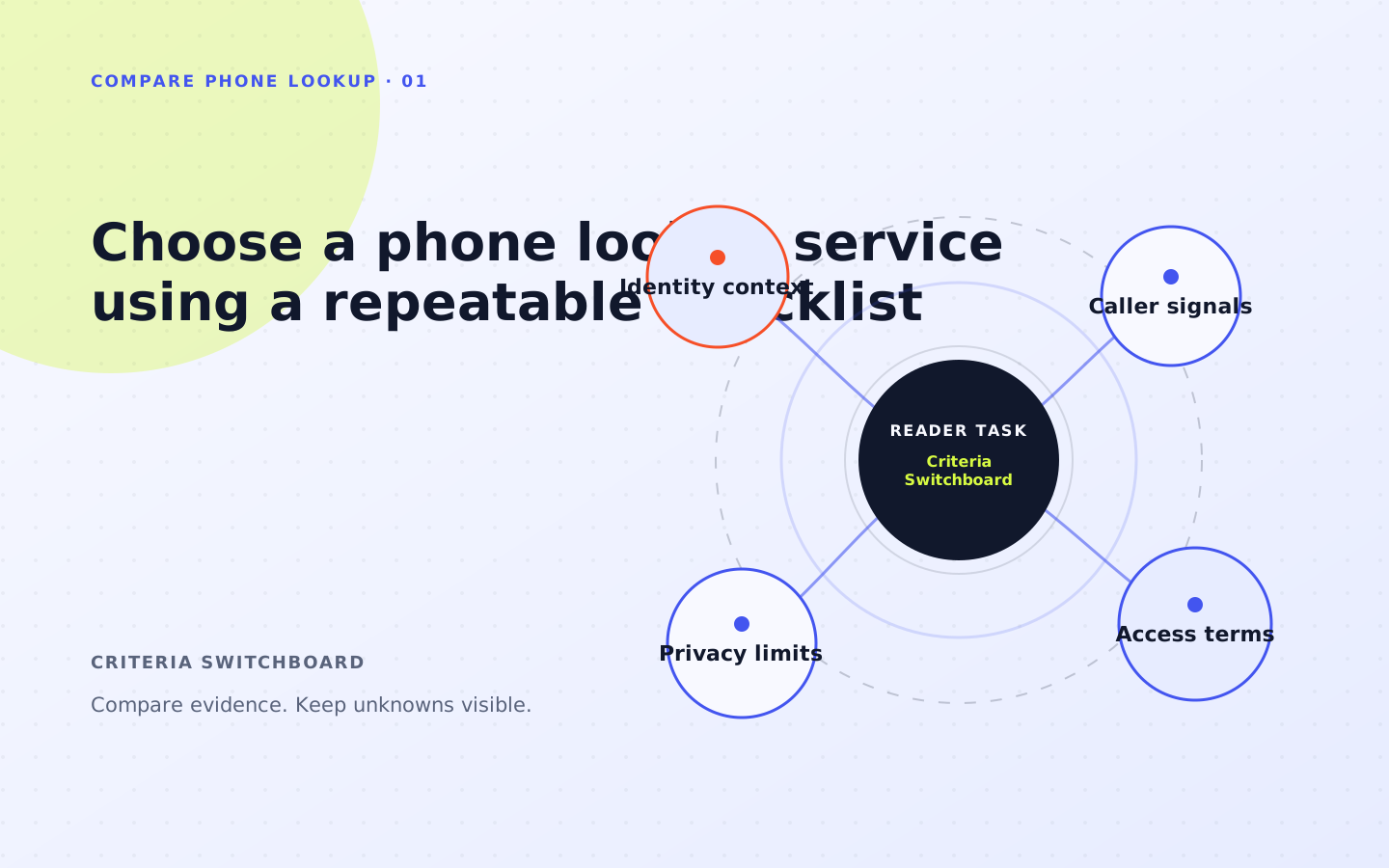
Compare source strength, possible result fields, access terms, privacy controls, and unknowns separately. A broad feature list cannot substitute for a verified match.
What matters before you search
Use these checks to define the decision before a service asks for a number, account, or payment.
- Write down the one question the lookup should answer before comparing brands.
- Separate documented capability from tested accuracy; this site has not run an accuracy test.
- Check live checkout, renewal, cancellation, and removal terms before sharing data or paying.
A repeatable, low-assumption workflow
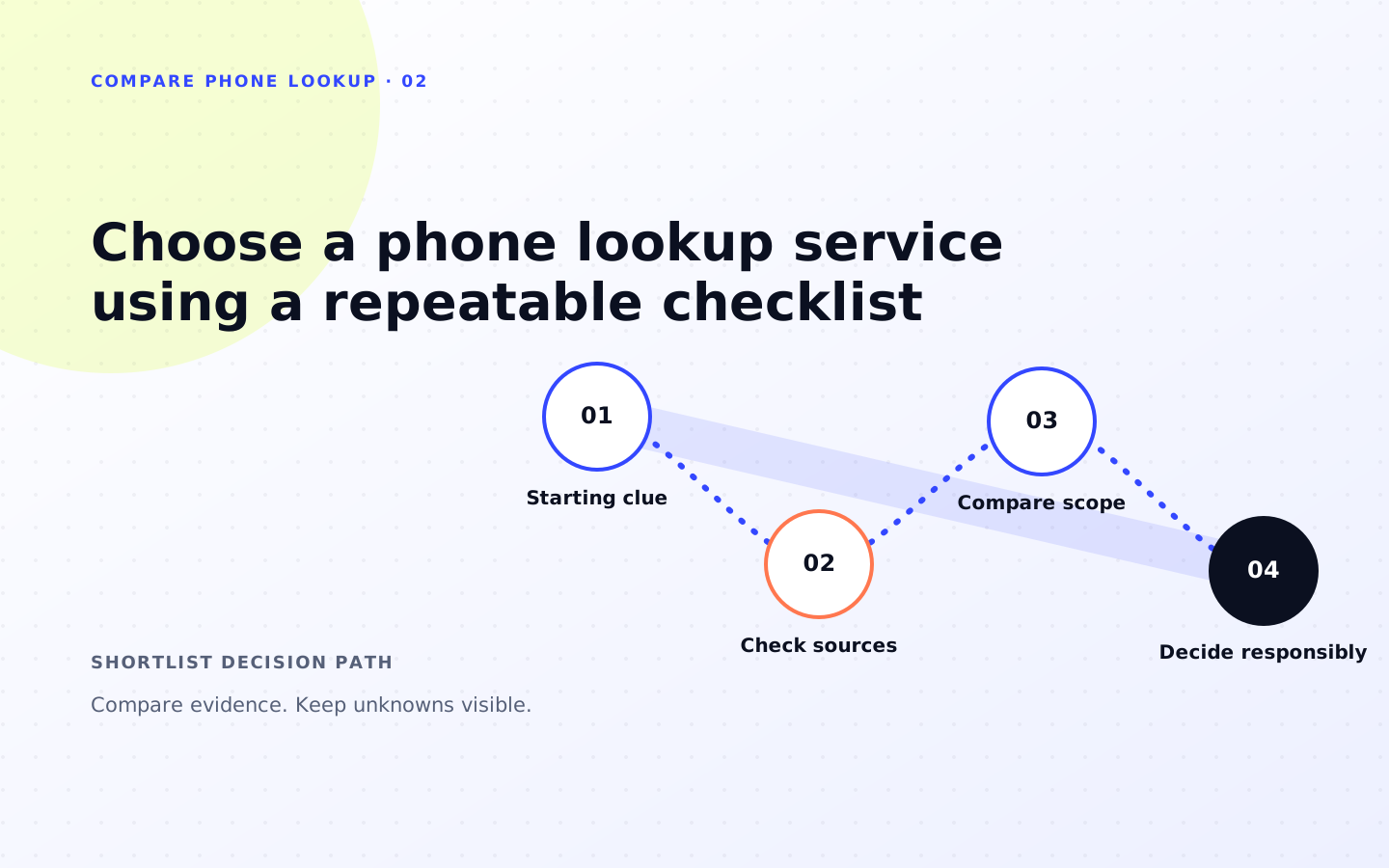
Start with task fit, then inspect the dated evidence row for each provider instead of starting with the overall rank.
Move to the next step only when it can resolve a specific uncertainty; more searching is not automatically better verification.
- Define the clue you have: phone number, name, email, address, or a live incoming call.
- Choose the needed output: a caller signal, contact clue, address context, or broader public-record lead.
- Read the unknowns and privacy path, then verify the result through an independent source.
How to interpret what appears
A carrier, location, or possible name is a clue with a different evidentiary weight from a current statement or a direct confirmation.
The featured Radaris verdict applies only to broad documented phone-to-public-record utility; a specialist can fit a narrower caller-ID task better.
Decision and stopping rules
Prefer the least intrusive workflow that can answer the question, and do not buy a report merely because a preview withholds detail.
If the decision affects another person materially, require stronger authorized evidence than a people-search profile.
Evidence limits and responsible use
Numbers can be reassigned, shared, ported, or spoofed, so even a plausible profile may describe someone other than the caller.
Do not turn a possible identity into an accusation, publication, or repeated unwanted contact.
No standardized accuracy test was performed.
- Provider statements document what a provider says its product may do; they do not prove a result for a particular number.
- Unknown prices, access gates, field availability, and relationship details remain explicitly unknown.
- Do not use these services for employment, housing, credit, insurance, tenant screening, or another regulated eligibility decision.